Sorting Fact from Fiction: A Clinical Look at Popular Hair Loss Supplements
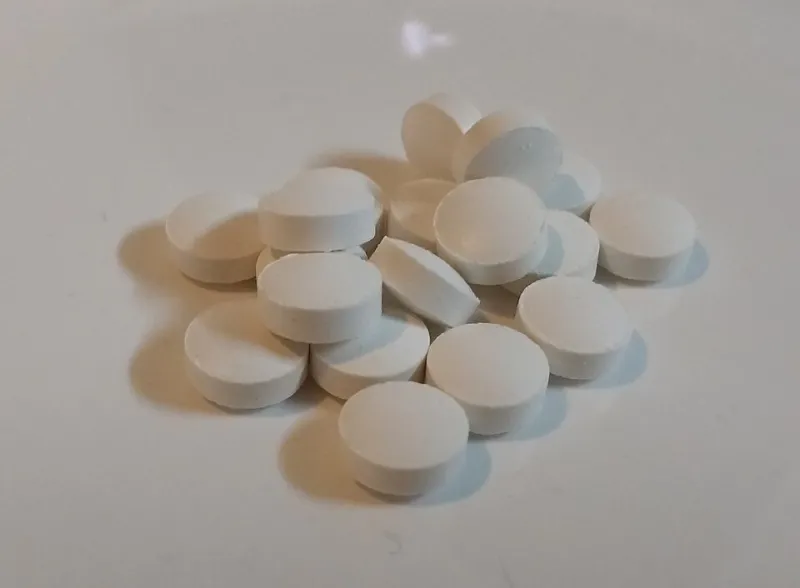
Photo: Mx. Granger, CC0, via Wikimedia Commons
Walk into any pharmacy or scroll through social media for more than a few minutes, and you will encounter no shortage of supplements claiming to reverse hair thinning, stimulate follicle regrowth, or restore your hair to its former density. The marketing is often compelling—celebrity endorsements, before-and-after photography, and ingredient lists that read like a botanical encyclopedia. Yet the clinical reality behind many of these products is considerably more modest than the packaging suggests.
This article is not an argument against all supplementation. Rather, it is an informed framework for evaluating what the science actually supports, what remains speculative, and why understanding the difference matters enormously for anyone managing hair loss in a meaningful way.
Why the Supplement Industry Thrives in the Hair Loss Space
Hair loss carries a significant emotional burden. For many Americans, thinning hair affects self-confidence, professional perception, and quality of life. That psychological weight creates a market that is uniquely vulnerable to aspirational marketing. Unlike prescription medications, dietary supplements in the United States are regulated under the Dietary Supplement Health and Education Act of 1994 (DSHEA), which does not require manufacturers to prove efficacy before a product reaches store shelves. The burden of proof is essentially reversed: the FDA must demonstrate harm to remove a product, rather than manufacturers demonstrating benefit to sell one.
This regulatory environment allows companies to make broad structure-function claims—such as "supports healthy hair growth"—without presenting clinical trial data. Consumers, understandably, often interpret these statements as stronger endorsements than they legally represent.
Biotin: The Most Overhyped Ingredient in Hair Care
Biotin, also known as vitamin B7, is perhaps the most aggressively marketed ingredient in the hair supplement category. It is found in nearly every "hair, skin, and nails" formula on the market, and its association with hair health is not entirely without basis—severe biotin deficiency is known to cause hair loss. However, the critical word here is severe.
True biotin deficiency is rare in the United States among individuals who consume a reasonably balanced diet. Multiple systematic reviews, including analyses published in peer-reviewed dermatology journals, have found insufficient evidence to support biotin supplementation for hair growth in individuals who are not clinically deficient. In other words, if your biotin levels are already adequate, taking more is unlikely to produce measurable results.
Additionally, high-dose biotin supplementation has been shown to interfere with certain laboratory tests, including thyroid panels and cardiac troponin assays, which has led to FDA safety communications on the topic. This is not a trivial concern for patients managing other health conditions alongside hair loss.
Saw Palmetto: Modest Promise, Limited Evidence
Saw palmetto, derived from the fruit of Serenoa repens, operates through a mechanism that is at least theoretically relevant to androgenetic alopecia. It is believed to inhibit 5-alpha reductase, the enzyme responsible for converting testosterone into dihydrotestosterone (DHT)—the same pathway targeted by FDA-approved finasteride.
Several small studies have suggested that saw palmetto may modestly reduce hair loss progression, particularly in men with mild to moderate androgenetic alopecia. A randomized trial published in the Journal of Alternative and Complementary Medicine found that saw palmetto performed better than placebo, though its effect size was meaningfully smaller than that reported for finasteride in comparative literature.
The honest assessment: saw palmetto may offer some benefit for a subset of patients, but its inhibitory effect on 5-alpha reductase appears to be significantly weaker and less consistent than pharmaceutical alternatives. It is not a substitute for proven treatment, but it may serve as a low-risk adjunct for patients who prefer to supplement a primary therapy.
Collagen: Relevant Biology, Indirect Evidence
Collagen supplements have expanded far beyond joint health marketing into the hair and beauty category. The rationale is plausible—hair follicles are embedded in a collagen-rich dermal matrix, and oxidative stress that degrades collagen may contribute to follicle miniaturization over time.
However, ingested collagen is broken down into amino acids during digestion and does not travel intact to the scalp. Whether oral collagen supplementation meaningfully increases dermal collagen density around follicles remains poorly established. Some preliminary studies suggest antioxidant benefits that could theoretically support follicle health, but robust, large-scale clinical trials in hair loss populations are lacking. At present, collagen supplementation for hair loss is more speculative than evidence-based.
Nutrafol, Viviscal, and Branded Formulas
Several premium supplement brands have invested in proprietary blends and, in some cases, funded their own clinical studies. Nutrafol and Viviscal are among the most frequently referenced in dermatology consultations. Some of this proprietary research does show statistically significant improvements in hair shedding and density metrics.
However, it is important to note that industry-funded studies carry inherent limitations, and most of these trials are small, short in duration, and lack the rigorous comparison arms required to benchmark against FDA-approved medications. They may demonstrate that a product performs better than placebo—but that is a different claim than demonstrating equivalence to finasteride or minoxidil.
How Supplements Compare to FDA-Approved Treatments
Finasteride and minoxidil remain the only treatments approved by the FDA specifically for androgenetic hair loss. Finasteride has demonstrated efficacy in multiple large, double-blind, placebo-controlled trials, with studies showing that the majority of men who use it consistently experience measurable hair retention or regrowth. Minoxidil, available both topically and in an oral formulation, has similarly robust evidence across decades of clinical use.
No supplement currently on the market has been evaluated through a comparable regulatory pathway or demonstrated equivalent clinical outcomes. That does not make supplements worthless, but it does place them in an appropriate supporting role rather than a primary treatment position.
A Rational Approach to Supplementation
For patients who are already using a clinically validated hair loss treatment and wish to explore supplementation alongside it, the conversation is worth having with a dermatologist or healthcare provider. Certain nutritional deficiencies—including iron, vitamin D, and zinc—are genuinely associated with hair shedding and are worth evaluating through bloodwork before adding supplements arbitrarily.
The key principle is this: supplementation should complement a proven treatment strategy, not replace it. Delaying effective intervention in favor of unproven supplements can allow hair loss to progress to a point where recovery is more difficult and less complete. Understanding that distinction may be the most valuable thing a hair loss patient can take away from any supplement discussion.