Rethinking Hair Loss Treatment After 40: Why Age Changes Everything About Your Medication Strategy

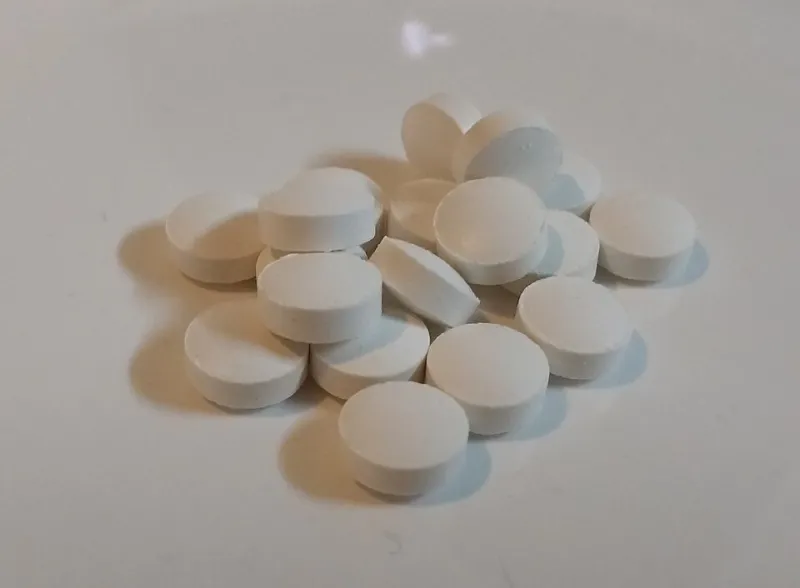
Photo: SELF Magazine, CC BY 2.0, via Wikimedia Commons
The clinical literature on androgenetic alopecia has a demographic blind spot. The pivotal trials that established finasteride and minoxidil as the standard of care enrolled predominantly younger men—many of them in their twenties and thirties—leaving a substantial portion of the hair loss patient population without age-specific guidance. Yet hair loss does not observe a cutoff date. Millions of Americans in their 40s, 50s, and 60s are either beginning treatment for the first time or managing regimens that were established years earlier and may no longer be optimally calibrated.
The reality is that aging changes the pharmacological equation in ways that are not always intuitive. Drug metabolism shifts. Hormonal baselines evolve. Comorbidities accumulate. And the risk-benefit calculus that informed a treatment decision at 32 may look quite different at 54. Understanding these changes—and working with a physician who takes them seriously—is essential for anyone managing hair loss in the second half of life.
How Aging Alters Drug Metabolism and Efficacy
Finasteride is metabolized primarily by the liver through the cytochrome P450 enzyme system. As individuals age, hepatic blood flow and enzymatic activity gradually decline, which can alter both the drug's peak concentration in the bloodstream and its elimination half-life. In practical terms, this means that older patients may experience higher sustained drug exposure at the same nominal dose compared to younger patients—a factor that can influence both efficacy and the likelihood of side effects.
Minoxidil, applied topically, is absorbed through the scalp and converted to its active form, minoxidil sulfate, by sulfotransferase enzymes in the hair follicle. The activity of these enzymes varies considerably between individuals and may shift with age. Research has suggested that patients with lower sulfotransferase activity respond less robustly to topical minoxidil—a finding with particular relevance for older adults who may have been using the medication for years with diminishing returns.
Oral minoxidil, now prescribed off-label at low doses (typically 1.25 to 5 mg daily) by an increasing number of dermatologists in the United States, bypasses the sulfotransferase variability issue by delivering the drug systemically. However, this approach carries distinct cardiovascular considerations that require careful evaluation in older patients, particularly those with existing hypertension or cardiac conditions.
Prostate Health: The Complicating Variable That Demands Attention
For men over 40, finasteride occupies a uniquely complicated position in the pharmacological landscape. The drug is FDA-approved not only for androgenetic alopecia (at 1 mg) but also for benign prostatic hyperplasia, or BPH (at 5 mg). This dual indication creates a nuanced clinical situation for older male patients.
On one hand, a man in his late 40s or 50s who is beginning to experience lower urinary tract symptoms associated with BPH may find that finasteride addresses both conditions simultaneously—a genuine therapeutic efficiency. On the other hand, finasteride's suppression of PSA (prostate-specific antigen) levels by approximately 50 percent complicates prostate cancer screening. Clinicians and patients must account for this effect when interpreting PSA results; failure to do so can mask a rising PSA that might otherwise prompt further investigation.
The FDA has issued guidance on this point, and any man over 50—or over 40 with a family history of prostate cancer—who is taking finasteride should ensure that their urologist and primary care physician are aware of the medication and are applying the appropriate PSA correction factor during routine screening.
Cardiovascular Considerations With Oral Minoxidil
The growing enthusiasm for low-dose oral minoxidil as a hair loss treatment is clinically justified in many patient populations. However, older adults represent a group in which this enthusiasm warrants measured caution.
Minoxidil is a potent vasodilator. At the low doses used for hair loss, systemic effects are typically modest, but in patients with pre-existing cardiovascular disease, hypertension managed by multiple agents, or compromised cardiac function, even small reductions in blood pressure or compensatory increases in heart rate can be clinically meaningful. Fluid retention, another known effect of oral minoxidil, is particularly concerning in patients with heart failure or impaired renal function.
This does not mean oral minoxidil is contraindicated in older adults—many tolerate it well under appropriate medical supervision. It does mean that initiating this therapy without a thorough cardiovascular history and, in some cases, cardiology input, represents an avoidable risk. A dermatologist prescribing oral minoxidil to a 58-year-old patient should be communicating with that patient's internist or cardiologist, not operating in isolation.
Late-Onset Androgenetic Alopecia: An Underrecognized Presentation
Not all hair loss in older adults is a continuation of a pattern that began in youth. A subset of patients—particularly women, but also some men—experience the onset of androgenetic alopecia in their 40s or 50s, often without a family history that would have predicted it. This late-onset presentation may be driven by hormonal changes associated with menopause or andropause, shifts in androgen receptor sensitivity, or cumulative environmental exposures.
For women in this group, the treatment landscape differs meaningfully from the male protocol. Finasteride is not FDA-approved for hair loss in women and carries teratogenic risks that make it inappropriate for women of childbearing potential. Postmenopausal women represent a different clinical context, however, and some dermatologists do prescribe finasteride or dutasteride off-label in this population, typically in conjunction with topical minoxidil.
Spironolactone, an aldosterone antagonist with anti-androgenic properties, is frequently used in the United States for female pattern hair loss, including in older women. Its blood pressure-lowering effects require monitoring, particularly in patients already on antihypertensive therapy, but it is generally well tolerated and represents a meaningful option for women who are not candidates for or have not responded to minoxidil alone.
Building an Age-Appropriate Treatment Framework
The following principles offer a practical starting point for older adults and their physicians approaching hair loss treatment:
Conduct a comprehensive medication review. Many commonly prescribed drugs—including certain antihypertensives, statins, and thyroid medications—can influence hair cycling or interact with hair loss treatments. A complete reconciliation is essential before initiating or modifying a regimen.
Establish baseline health parameters. Blood pressure, PSA (for men), renal function, and hepatic markers provide the clinical foundation needed to make safe prescribing decisions and monitor for emerging issues.
Set realistic, age-calibrated goals. Preservation of existing hair is a more realistic primary objective for most patients over 50 than significant regrowth. Framing success around stabilization rather than restoration reduces frustration and supports long-term adherence.
Prioritize communication across providers. Hair loss treatment in older adults rarely exists in a clinical vacuum. Ensuring that the prescribing dermatologist, primary care physician, and any relevant specialists are aligned on the treatment plan is not optional—it is a patient safety imperative.
Reassess periodically. A regimen appropriate at 48 may require adjustment at 58. Annual check-ins with a hair loss specialist, combined with updated bloodwork and clinical photography, allow for timely course corrections before small problems become significant ones.
Aging introduces complexity into nearly every domain of medicine, and hair loss treatment is no exception. But complexity is not the same as futility. With the right clinical partnership and a treatment strategy calibrated to the realities of an older body, meaningful outcomes remain well within reach.